
Test Scores: NWEA MAP, iReady, SAT Charts by Grade 2026 + School News
Last Updated on 24 October 2026 by NWEA
Understand your Child’s NWEA Map Scores and iReady Test Scores in 2026-2027.
Please Scroll down and Choose a Test.
➤ CogAT Test
➤ NWEA MAP Test Scores 2026
➤i-Ready Diagnostic Scores 2026
➤Woodcock Johnson Test
➤AP Test
➤SAT Scores
➤IQ Scores
NEWS: The new NWEA Map Scores Norms by Grade Level 2026-2027 have just been released.
Please check our Map Scores by Grade Level Chart here, and our NWEA Map norms descriptions here.)
We have included detailed descriptions, guides and the official NWEA MAP Test Scores by Grade Level 2026-2027 and iReady Diagnostic Scores by Grade Level 2026-2027, for you to browse freely.
Learn how your child’s NWEA Map scores and i-Ready Diagnostic scores compare with the nationwide scores by viewing our percentile charts.
NNAT, STAR, OLSAT, CCAT – Coming in mid 2026.
Supporting Your Child’s Path to Academic Excellence

Prepare for
Gifted & Talented Tests
Access high-quality practice tests designed to help your child excel and stand out in Gifted & Talented program admissions.

Prepare for
K-12 School Testing
Browse a comprehensive range of tools to help children prepare for aptitude and standardized tests

Improve
Cognitive Abilities
Strengthen your child’s thinking skills with interactive exercises and engaging practice questions.
By Parents for Parents
Every parent hopes to set their child up for success—especially when it comes to preparing for gifted and talented tests.
Whether you’re beginning this journey or seeking resources to nurture your child’s potential, GiftedReady is here to assist.
With over eight years of experience in test prep (since 2016), our tools and resources are designed to lead your child to success.
As your child navigates these important milestones, you deserve reliable support, and we’re committed to assisting you every step of the way—just like we have for our own child.
Choose Your Test.
Which Test Is Your Child Taking?
CogAT Test
NWEA MAP Test
i-Ready Diagnostic Test
Woodcock Johnson Test
AP Test
Introduction to NWEA MAP Scores
NWEA MAP is one of the most widely used academic growth assessments in U.S. schools. The test is computer-adaptive, which means the questions adjust up or down based on a student’s answers. That adaptive design is the reason MAP scores are so useful for tracking progress: the test is built to find a student’s current level and measure growth over time, not just whether they passed a fixed set of grade-level questions. When families, teachers, and students talk about “MAP results,” they are usually referring to the RIT score, which is a scale score that stays consistent across grade levels. Because the scale stays consistent, educators can compare performance from fall to winter to spring and see if the student’s growth trend looks healthy, accelerating, or stalled. This also makes MAP a practical tool for goal setting, intervention planning, and enrichment decisions.
Many people search specifically for NWEA map scores by grade level because it helps them interpret what a score “means” in context. A single RIT score is just a number until you compare it to typical ranges for a grade and season. That is why schools often look at grade-level norms, percentile ranks, and growth projections when reviewing a student’s MAP report. When you combine the grade-level benchmarks with percentile information, you get a clearer picture of whether a student is performing near the middle of national peers, above average, or below average, and how quickly they are improving across the school year. This is also where MAP becomes especially useful for conversations about learning plans: teachers can use the data to group students for instruction, recommend targeted practice, or verify that a student who feels “stuck” is actually still growing steadily.
Looking ahead, families also search for updates like NWEA Map scores 2026 because they want the newest norm references, the most current school-year expectations, and the most up-to-date guidance on interpreting score reports. While the core purpose of MAP remains the same—measuring achievement and growth—the reporting formats, norm comparisons, and district practices can change across years. If you are reviewing MAP results for placement decisions, goal setting, or academic planning, it is always smart to reference the most recent materials your school provides. By understanding how NWEA MAP works and how schools typically use it, you can turn a simple score report into a clearer, more confident plan for what to work on next.
Introduction to i-Ready Diagnostic Scores (Now i-Ready Inform Scores)
i-Ready Diagnostic is another major assessment used in many schools, particularly for reading and math. It is also computer-adaptive, and it is designed to identify a student’s current instructional needs, highlight skill gaps, and provide teachers with actionable information for planning lessons. Traditionally, families look at i-Ready Diagnostic results to understand whether a student is on track for their grade, which domains are strongest, and which areas need extra support. The diagnostic is often given multiple times per year, and the combination of placement levels, domain performance, and growth reports helps schools plan interventions and personalize instruction.
Starting with the 2026–2027 school year, the i-Ready Diagnostic is being renamed i-Ready Inform, so you may also hear people refer to iReady inform scores when they discuss assessment results. Even though the name is changing, the goal remains familiar: helping educators and families understand what students know and what they are ready to learn next. For parents and teachers, it can be helpful to think of i-Ready as a “learning map” that points to the next skills a student should master, rather than a single pass/fail test. This is why i-Ready results are often discussed alongside recommended lessons, personalized practice pathways, and targeted classroom instruction.
Many readers search for iReady Diagnostic Scores by grade in Math and iReady Diagnostic Scores by grade in Reading because grade-level expectations make the results easier to interpret. A number or placement band becomes much more meaningful when you can compare it to the typical range for a student’s grade and testing window. Schools may use i-Ready information to guide small-group instruction, recommend extra practice, and monitor whether interventions are working. Over time, repeating the diagnostic helps show whether a student is closing gaps, maintaining grade-level progress, or advancing beyond grade expectations.
You may also see interest in iReady Diagnostic Scores 2026 because families want to understand what score ranges and placement expectations look like for the newest school-year cycle, especially as schools shift terminology from “Diagnostic” to “Inform.” As with any assessment, the most useful way to read i-Ready results is to combine the score context with classroom performance: how the student reads, solves problems, and retains skills day to day. When you use i-Ready data as a guide—not a label—you can focus on the most important outcome: choosing the right next steps so students keep building confidence, skill, and steady academic growth.
NNAT, STAR, OLSAT, CCAT – coming in mid 2025
The 3-Step Formula for Overcoming Any Academic Challenge with Confidence
Empower your child to succeed with a method that has been trusted for over 30 years in test preparation.

Take control of what happens next.
When your child is familiar with what to expect, they won’t be caught off guard. By mastering the test format and question types, you’re equipping them for success.

Enhance the Skills Your Child Needs to Succeed
Tests assess a range of skills, including math, language, spatial, and verbal reasoning. Our resources help your child develop these essential skills and build the confidence needed for success on test day.

Reduce Test Anxiety and Boost Confidence
Stress can impact performance, even when kids know the material. By using timed practice simulations that mimic real test conditions, you can help your child feel more prepared and reduce anxiety on test day.






The 3-Step System for Overcoming Any Academic Challenge
On this journey together, we’re focused on helping your child thrive in gifted & talented and school testing, with these key resources.
Complete Practice Tests
Create a realistic test environment to help your child gain confidence and improve their results.


Focused Subject Practice
Target essential skills such as verbal, non-verbal, and quantitative reasoning to refine your child’s abilities.
Proven Tips and Techniques
Explore proven strategies to boost your child’s test-taking and time-management abilities.

Parents’ Blog

NYT Connections Hints Today – Help, Clues and Answers
NYT Connections Hints Today: Connections Help, Clues and Answers.Contents1 NYT…
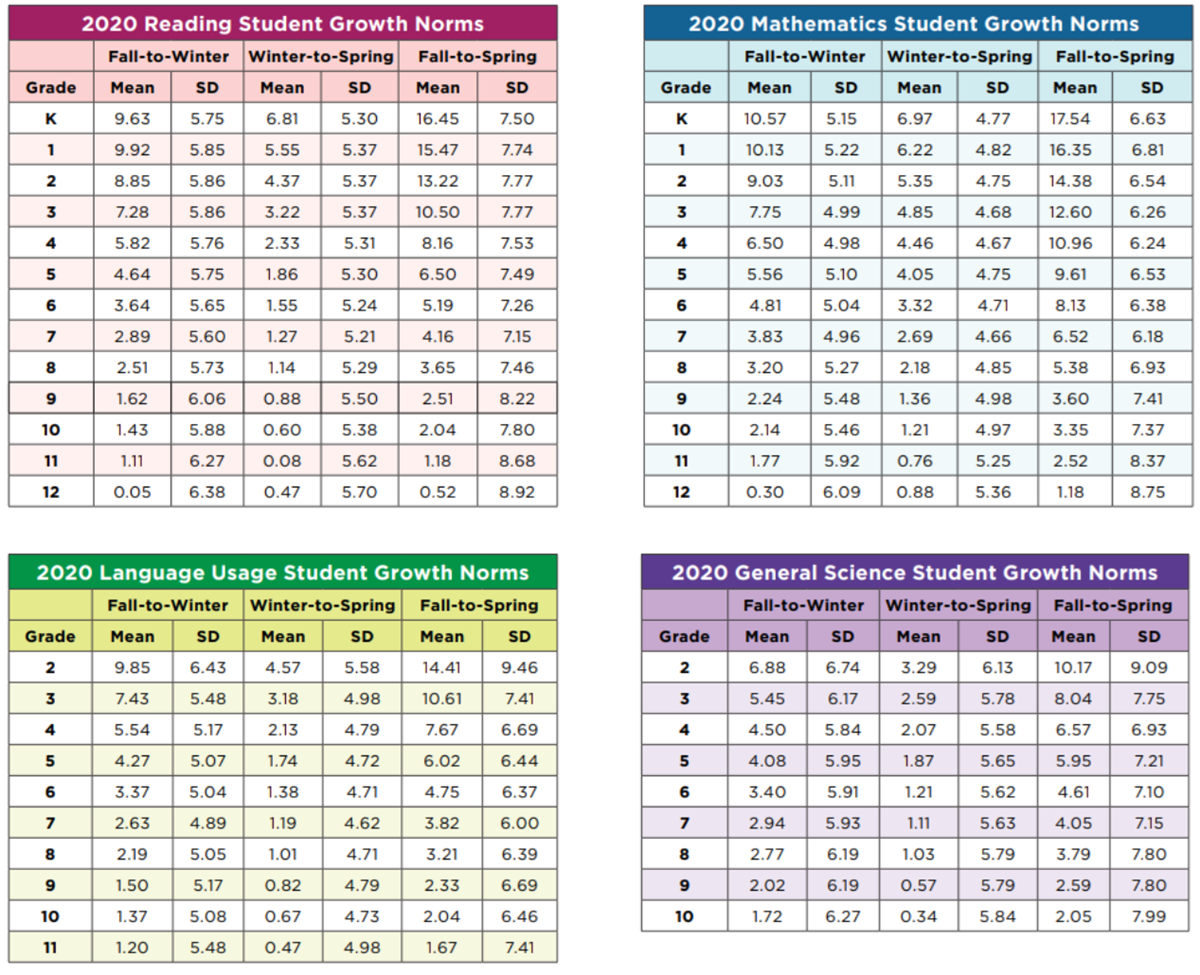
NWEA Map Test Scores by Grade Level Percentiles 2024-2025 PDF
NWEA MAP Scores by Grade Level 2024-2025 – Percentiles.Contents0.1 NWEA…
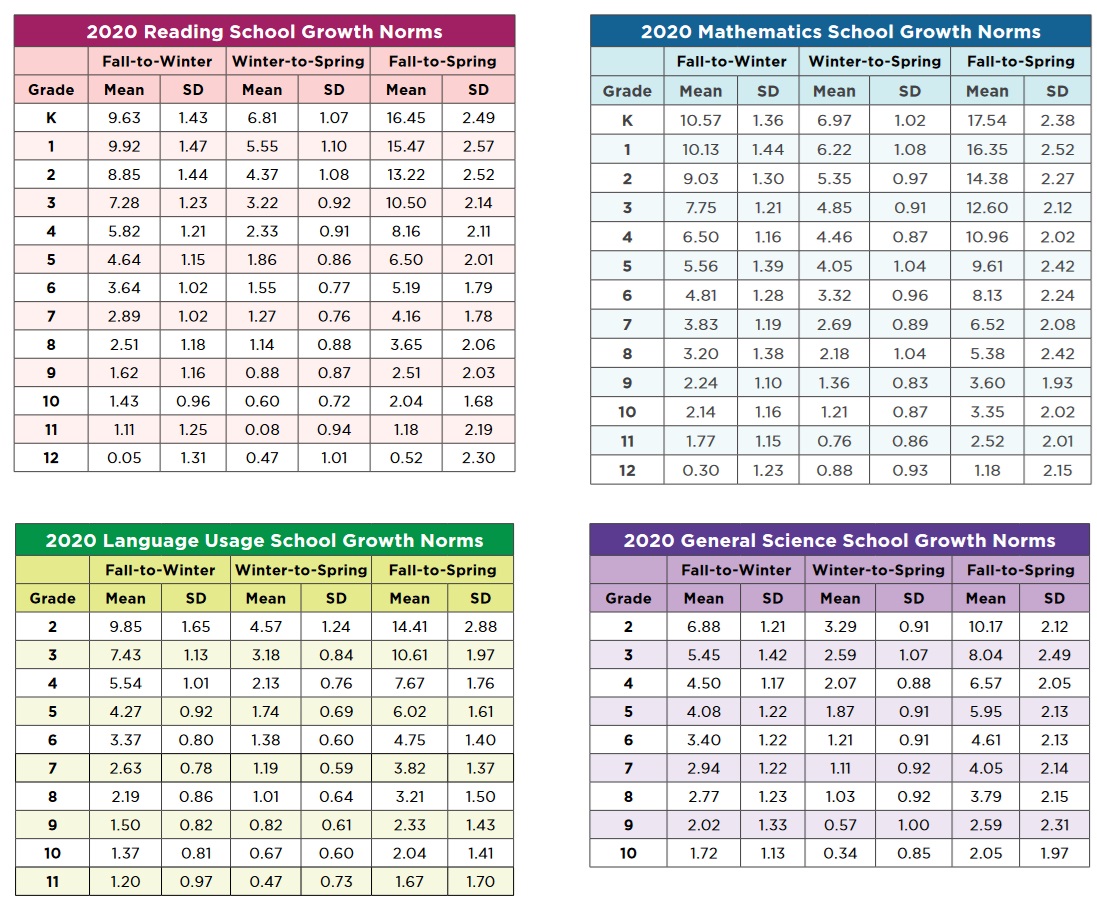
NWEA MAP Scores by Grade Level 2024-2025 – Chart for
NWEA MAP Scores by Grade Level (2024-2025): Fall, Winter, and…
Sources:
- NWEA Map Test scores by grade level for 2026 – See the NWEA MAP Scores for 2026.
- iReady Diagnostic Scores by Grade Math 2026 – See i-Ready Diagnostic Scores by Grade Math 2026.
- iReady Diagnostic Scores by Grade Reading 2026 – See the i-Ready Diagnostic Scores by Grade Reading for 2026.
- i-Ready Scores: I-Ready Diagnostic Score Charts 2026
- NWEA Score Charts: Map Testing Scores 2026
- NWEA Math Scores: Map Math Scores Chart 2026
- HBCU List – List of HBCUs by State
- IQ Tests and Autism Tests: IQ Test for Kindergarteners , IQ Test für Kinder, 儿童IQ测试 , 子供向けIQテスト
Test de QI pour enfants
Raads R test for Autism
Free Autism Test for Adults
Free Autism Test
RAADS R Test
Cps Test
Letter Accents
list of alt codes keyboard symbols
Cursive alphabet
Please suggest a tool to add in the comment section.
Thank you for visiting Schooltest.org. Please visit our Fun page, for fun things to draw, riddles for adults and kids, and much more.